Travel Guide7 min read
Top 10 Safari Packing Essentials: What to Pack for an African Safari
Preparing for an African safari? Discover 10 essential items to pack, from comfortable clothing and footwear to sun protection and travel accessories.
Admin
31 October 2026

A successful African safari starts well before you arrive at the destination. Packing the right items can make early-morning game drives more comfortable, help you prepare for changing weather and ensure you have what you need to enjoy your time in the wilderness. But what should you actually pack? You do not need to bring your entire wardrobe or fill your suitcase with equipment. The secret is choosing practical, versatile items that suit the safari environment and your travel plans. Whether you are heading to the open plains of the Maasai Mara, exploring Amboseli or travelling through Tanzania's Serengeti, this guide covers the top 10 safari packing essentials to help you prepare for your African adventure.
Your safari packing list should focus on comfort, protection and practicality. The following ten essentials will help you prepare for different activities and conditions during your trip.
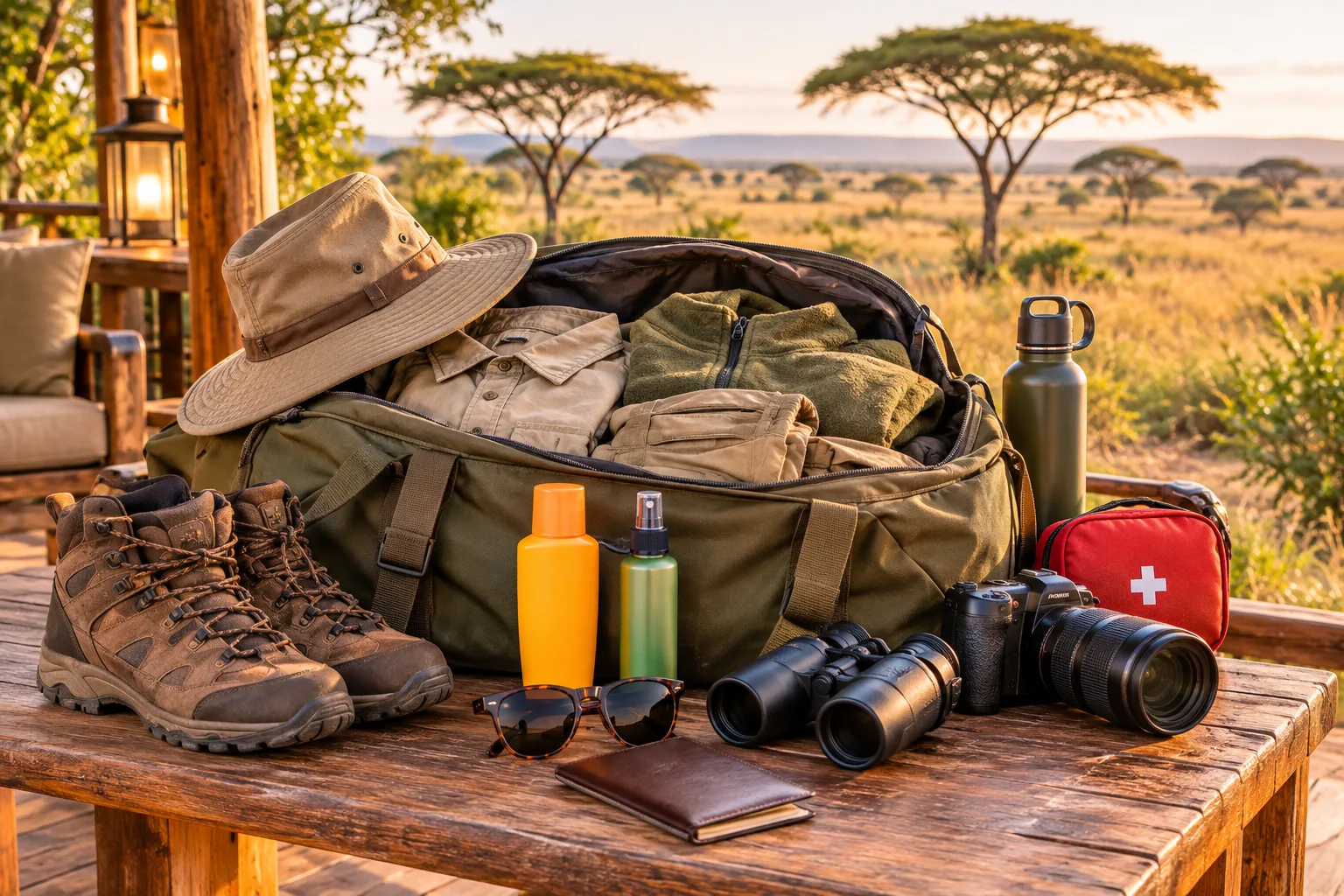
1. Comfortable, Neutral-Coloured Clothing
Lightweight, breathable clothing is ideal for most safari activities. Choose comfortable shirts, trousers and shorts that allow you to move freely during game drives and other excursions. Neutral colours such as khaki, beige, olive and brown are popular choices because they blend naturally with the surrounding environment. They are also practical for dusty conditions. You do not need to buy a completely new safari wardrobe; a few versatile outfits are usually enough. Avoid packing too many bright colours, heavy fabrics or clothes that are uncomfortable in warm weather. If you aretravelling during cooler months, include a few warmer layers.
2. A Warm Jacket or Fleece
Safari days can begin early, and temperatures may be surprisingly cool before sunrise, particularly in high-altitude destinations. Even when afternoons are warm, morning game drives can feel chilly in an open safari vehicle.
A lightweight jacket, fleece or warm sweater is therefore worth packing. Choose something easy to remove and store as the day gets warmer. A wind-resistant outer layer can also be useful during drives through open landscapes.
3. Comfortable Walking Shoes
The right footwear makes a difference when moving around your lodge, walking on uneven ground or taking part in permitted walking activities.
Pack comfortable, closed-toe walking shoes with good grip. Lightweight hiking shoes or sturdy trainers can work well, depending on your itinerary. You may also want sandals or comfortable slip-on shoes for relaxing at your accommodation. If you are buying new shoes for your trip, wear them before travelling to avoid discomfort and blisters.
4. A Wide-Brimmed Hat or Cap
Spending several hours outdoors means you will need protection from the sun. A wide-brimmed hat provides shade for your face, ears and neck, while a cap is a convenient alternative. Choose a lightweight hat that fits securely, especially when travelling in an open vehicle. It should also be easy to pack without losing its shape.
5. Sunscreen and Sunglasses
Sun protection is essential, even on days when the weather appears cloudy. Pack broad-spectrum sunscreen and apply it regularly, particularly when spending extended periods outdoors. A pair of sunglasses with UV protection will help reduce glare and make it easier to enjoy the scenery during game drives. Consider bringing a small sunscreen bottle in your day bag so it is readily available throughout the day.
6. Insect Repellent
Insects are part of many natural environments, particularly around areas with vegetation and water. An effective insect repellent can help reduce mosquito and other insect bites. Pack a suitable repellent and follow its application instructions. Depending on your destination and travel arrangements, ask your healthcare professional about recommended mosquito-bite prevention and any necessary travel health precautions before departure.
7. A Camera and Binoculars
A safari offers opportunities to observe wildlife at different distances, from elephants crossing open plains to birds resting in distant trees. A camera helps you capture these moments, while binoculars make distant wildlife easier to observe.
You do not need professional photography equipment to enjoy the experience. A good camera or smartphone can be useful, but binoculars are particularly valuable when watching animals from a distance. Remember to bring spare batteries, memory cards and charging equipment for your devices.
8. A Reusable Water Bottle
Staying hydrated is important during outdoor activities and long game drives. A reusable water bottle gives you a convenient way to carry drinking water throughout the day. Choose a durable, leak-proof bottle that is easy to carry in your day bag and always check with Us, your Safari operator or accommodation about drinking-water arrangements and whether refilling facilities are available.
9. Personal Medication and a Small First-Aid Kit
Pack any prescribed medication you regularly use, keeping it in its original packaging where possible. It is sensible to carry enough for the entire trip, along with a little extra in case of unexpected travel delays. A small first-aid kit may also include basic items such as plasters, antiseptic wipes and personal essentials. Your requirements will depend on your health needs and itinerary, so seek professional advice about any destination-specific medical preparations before travelling.
10. A Day Bag and Essential Travel Documents
A small, comfortable day bag is useful for carrying items you may need during game drives and excursions. It can hold your camera, sunglasses, sunscreen, water bottle and other personal belongings without requiring you to carry your main luggage everywhere. Keep important travel documents accessible and secure. These may include your passport, relevant visas, travel insurance details, flight information and safari booking confirmations. It is also helpful to keep digital copies in a secure location.
How to Pack Light for an African Safari
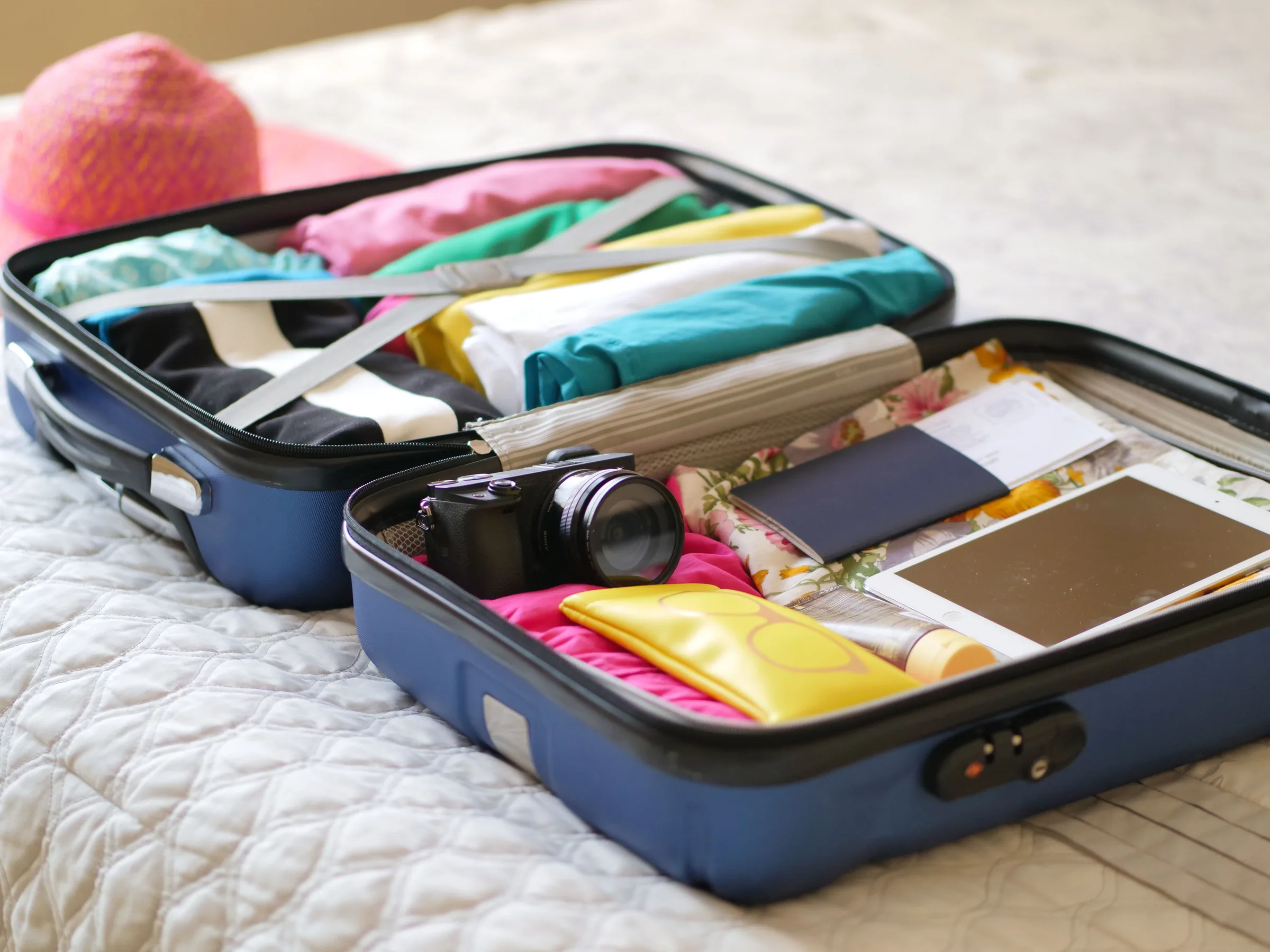
As you prepare for your African safari, it is tempting to pack an outfit for every occasion and everything you think you might need. However, if your holiday involves visiting several national parks, changing lodges or taking domestic flights, too much luggage can become inconvenient. You may find yourself repeatedly moving suitcases during transfers or struggling to fit oversized bags into smaller safari aircraft. To make your journey easier, think about the clothes and personal items you will actually use. Rather than packing different outfit for every day, choose a few comfortable shirts, trousers and neutral-coloured pieces that you can easily mix and match. A lightweight fleece, for instance, can keep you warm during an early-morning game drive and be packed away when the afternoon becomes warmer. This way, you have enough clothing for different conditions without filling your suitcase unnecessarily. You will also want to keep certain belongings within easy reach. Imagine arriving at a new lodge and needing your medication, sunscreen or travel documents while your main suitcase is being unloaded. Keeping these essentials in your hand luggage or a small day bag saves you from searching through everything. Packing cubes can also help you separate your clothing, shoes and personal items, making it easier to find what you need throughout the trip.
Before choosing your suitcase, check the baggage allowance for every flight on your itinerary. This is particularly important if you are flying between safari destinations. Smaller aircraft often have limited luggage space and stricter weight restrictions than international airlines and on another hand, some flights also require soft-sided bags because large, rigid suitcases may not fit into the aircraft's storage compartments. If your safari includes several destinations, do not assume that the baggage allowance for your international flight will apply to your domestic connections. When booking with Samton Safaris, our team can help you understand the luggage requirements for your specific itinerary so you can choose the right bag and avoid last-minute packing surprises. Ultimately, you want to arrive at each destination with everything you need, without having to worry about managing unnecessary luggage. Pack for the experiences ahead, keep your essentials accessible and leave enough room to travel comfortably.
What Should You Avoid Packing for an African Safari?
Packing well also means knowing what to leave behind. Excessive jewellery, bulky accessories and too many formal outfits may take up valuable luggage space without serving much purpose during your safari. You should avoid uncomfortable footwear, heavy clothing that is unsuitable for the weather and unnecessary valuables that may be difficult to keep track of while moving between destinations. Strongly scented products may also be unnecessary for outdoor activities. It is equally important to avoid packing items that do not comply with airline baggage restrictions. Check the rules for liquids, aerosols, batteries and other equipment before departure. A practical packing list should make your journey easier, not leave you managing more luggage than you need.
Frequently Asked Questions About Safari Packing
1. What should I pack for my first African safari?
For your first safari, prioritise travel documents, personal medication, comfortable neutral-coloured clothing, closed toe shoes, a warm jacket, sunscreen, insect repellent and a hat. Binoculars and a camera are useful extras. Your final packing list should depend on your destination, season and planned activities.
2. Can I take a suitcase on a safari flight?
Not always. Some safari flights, particularly those using smaller aircraft, have strict luggage weight and size restrictions. Softsided bags may be required because of limited storage space. Check the exact baggage allowance with your airline or safari operator before departure, especially if your itinerary includes several domestic flights.
3. What should I wear during an early-morning game drive?
Earlymorning game drives can be chilly, even in destinations known for warm weather. Wear comfortable trousers, a shirt and a warm fleece or jacket. You can remove the extra layer as temperatures rise. A hat and closed shoes are also useful.
4. Do I need to buy special safari clothes and equipment?
No. You can use comfortable clothes you already own, provided they are suitable for the weather and activities. Neutralcoloured clothing, sturdy walking shoes and a warm layer are practical choices. Professional cameras and expensive safari equipment are not necessary to enjoy wildlife viewing.
5. What should I keep in my day bag during a game drive?
Keep frequently used items within easy reach, including your camera or phone, binoculars, sunscreen, sunglasses, a hat, drinking water and any personal medication you may need. A small day bag helps keep these essentials organised without requiring you to access your main luggage during the drive.
6. Should I pack differently for a safari during the rainy season?
Yes. Consider adding a lightweight waterproof jacket, quick-drying clothing and shoes suitable for potentially wet or muddy conditions. Weather varies between destinations, so check the forecast and ask your safari operator for advice based on your travel dates.
7. What items should I avoid bringing on safari?
Avoid unnecessary bulky luggage, excessive jewellery, expensive accessories you do not need and uncomfortable footwear. Also check airline restrictions before packing aerosols, liquids, batteries and other equipment. If your safari includes light aircraft transfers, avoid oversized or rigid suitcases unless the operator confirms they are accepted.
Photo Gallery


PackingSafari TipsTravel PlanningEssentials
Related Safari Trips

Destinations Mentioned
Written by
Admin
A member of the Samton Safaris team, with deep expertise in East African safaris across Kenya, Tanzania, Uganda and Rwanda. Dedicated to helping travellers discover the magic of Africa.
Continue Reading

Travel Guide2 min read
Admin
Wildlife Tracking Safaris in Kenya: Complete Guide | Samton Safaris
Explore Kenya’s best wildlife tracking safaris with Samton Safaris, from spoor reading to rhino and predator tracking in top conservancies.
Read Article
Wildlife2 min read
31 October 2026Admin
The Ultimate Guide to the Great Migration
Discover how the Great Migration moves between Kenya's Maasai Mara and Tanzania's Serengeti, when to visit, where to find the herds and how to plan your safari.
Read ArticleReady to Experience This?
Let our experts plan your perfect safari across Kenya, Tanzania, Uganda and Rwanda.
Start Planning